You are not being rude by asking for money you are owed. You are closing a loop that both of you already know is open. The awkwardness usually comes from pretending the loop is not there, then bringing it up all at once when you are already annoyed.
The goal is simple: make the ask easy to answer, easy to act on, and hard to misread.
Start before the ask feels overdue
The best time to ask is before you have a story about why the other person is avoiding you. A short message while the details are still fresh feels administrative. A long message after three weeks of silence feels like an accusation.
If the payment has a due date, mention it when the expense happens. “Hey, the deposit is due Friday. I’ll send the total once it clears.” That tiny heads-up does more than any clever follow-up later.
If there is no due date, set one yourself. “No rush this week, but could you send it by next Wednesday?” A specific day is kinder than “whenever”, because “whenever” quietly becomes “never”.
Use the three-part ask
A good payment request has three parts:
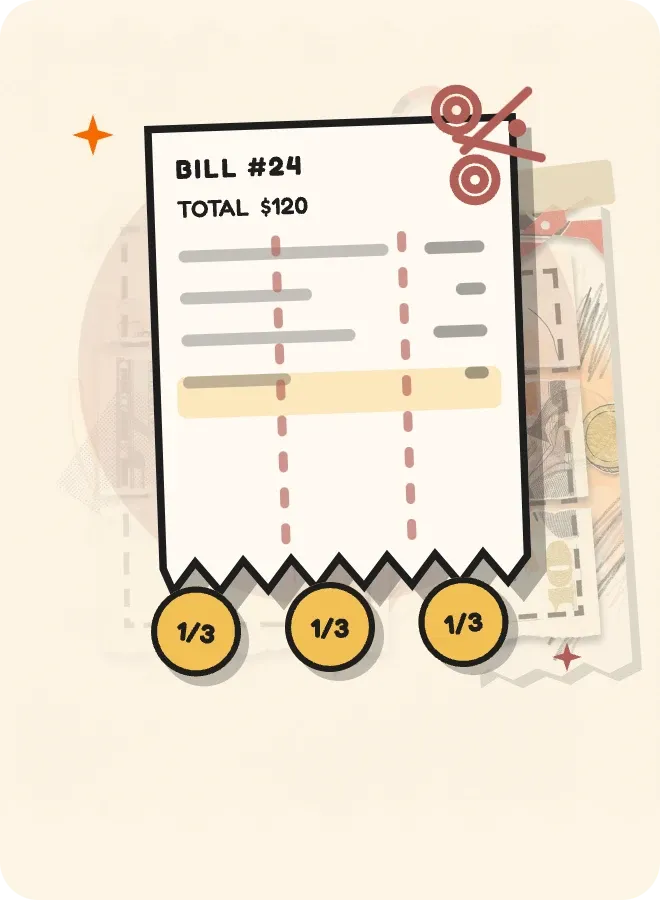
- The context. Name the thing they are paying for.
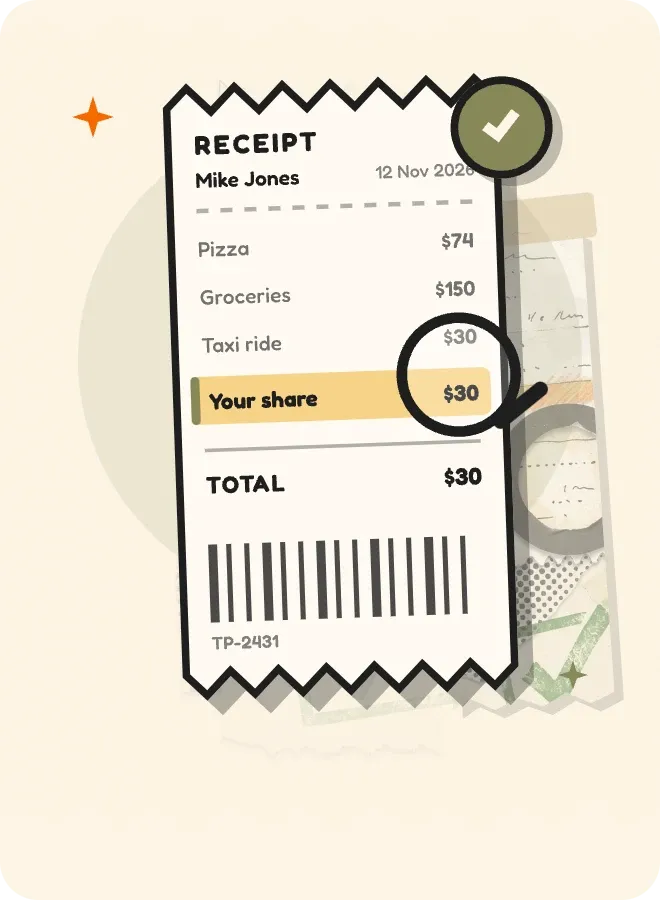
- The amount. State the exact number.
- The next step. Give them the easiest way to pay.
That is it. No apology paragraph. No passive-aggressive sigh. No “sorry to bother you” when you are not actually bothering them.
Hey, quick one about the concert tickets from Saturday. Your share is $42. The payment link is below whenever you get a minute.
This works because it does not ask the other person to reconstruct the story. It does not make them guess whether you are upset. It gives them one clear action.
Keep the script short
Long messages create pressure. Pressure makes people avoid the message, which makes the debt older, which makes the next message longer. The cycle is boring and completely avoidable.
Try one of these:
Hey, just checking in on the $42 for the concert tickets. No rush today, but could you send it by Friday?
Morning! The dinner total came to $96, so your half is $48. Here is the link: [link]
Hi, the invoice for October is still showing as unpaid. Could you confirm whether it is in the queue? Here is the payment link again: [link]
Each one is friendly, specific, and finished. None of them leave the other person wondering what you want.
Do not ask a question you do not need answered
“Did you see my message?” is not a payment reminder. It invites a conversation about messages instead of a conversation about money.
“Could you send the $42 by Friday?” is better. It is still polite, but it points at the action. If they cannot pay by Friday, they can tell you that directly. That is useful information. “Did you see my message?” only produces “yes” and another week of silence.
If they do not answer
Wait a reasonable amount of time, then follow up once with the same information. Do not add guilt. Do not add a paragraph explaining why the silence hurt your feelings. Just make the next step obvious again.
Hey, bringing this back up in case it got buried. The $42 for the concert tickets is still open. Could you send it today or let me know when you can?
If this is a client or a landlord situation, switch from friendly to factual. “I have not received the October invoice payment yet. Please confirm the payment date or let me know if there is an issue with the invoice.” Clear, calm, and easy to forward to whoever needs to see it.
Separate the relationship from the debt
A late payment does not mean the friendship is fake. It usually means the other person is disorganized, busy, or avoiding a small moment of discomfort. You do not have to pretend the debt does not exist to protect the relationship. You just have to stop treating the ask like a emergency.
Use neutral language:
- Say “the payment is still open” instead of “you still haven’t paid me”.
- Say “could you send it by Friday” instead of “I need this ASAP”.
- Say “let me know if the amount looks wrong” instead of “I know you saw this”.
Neutral language is not cold. It gives the other person room to fix the problem without defending themselves first.
Put the boring part on a system
The hardest part of asking for money is remembering to ask again. The second hardest part is asking in the same calm tone every time. That is exactly the kind of job a system should do.
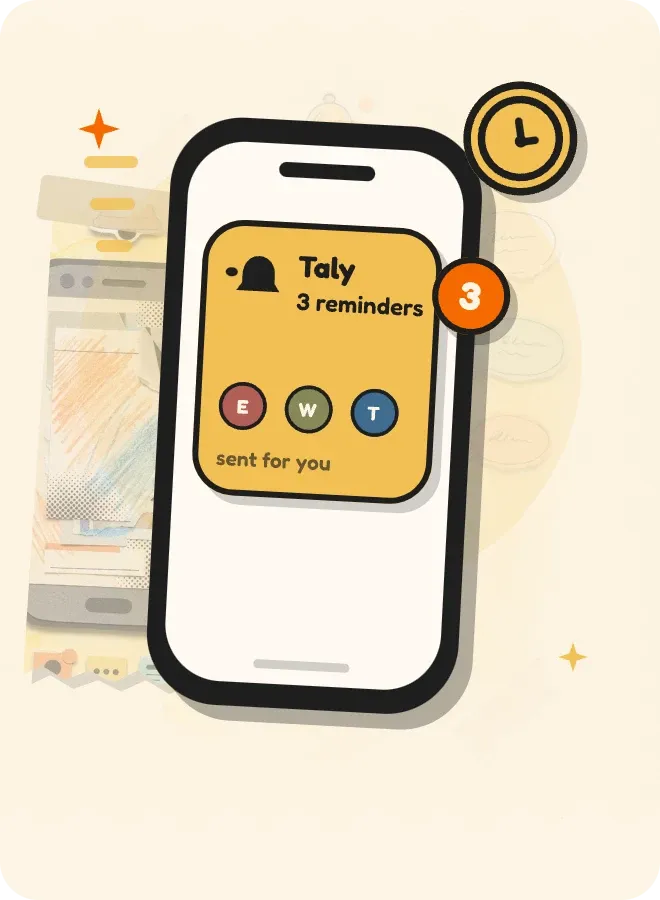
TalyPay keeps the expense, the due date, and the payment details in one place. When the date passes, Taly can send the reminder for you, grouped by person, over email, WhatsApp, or Telegram. You still decide what happens next. You just do not have to be the person who remembers every single time.
That is not about avoiding the conversation. It is about making the conversation smaller, earlier, and a lot less weird.